
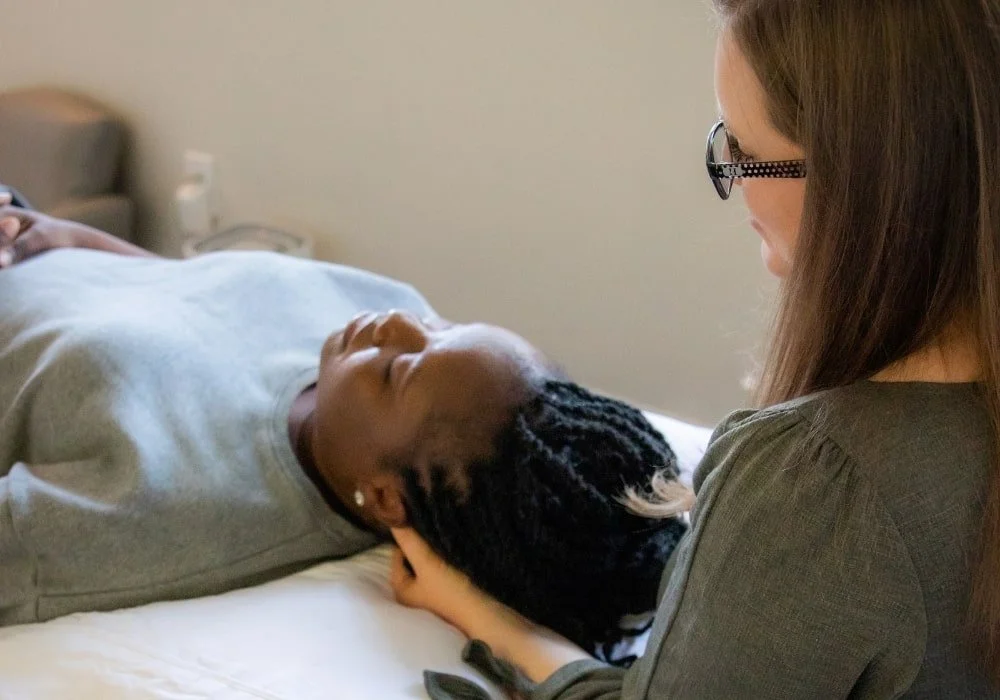

Structural Osteopathy: Restoring Balance for Lasting Relief
Dealing with chronic pain, poor posture, or restricted movement? At Nourish Osteo, our experienced osteopathic manual therapists use structural osteopathy to help you move freely and feel your best. Book your appointment today!


Addressing the cause, not just the symptoms.
Structural osteopathy isn’t about masking symptoms. It’s about identifying what’s driving your pain and how your body’s structure is contributing to ongoing discomfort.
At Nourish Osteo, our practitioners assess your posture, movement, and biomechanics to uncover postural imbalances behind issues like back pain, neck pain, hip restrictions, and recurring tension.
Every treatment plan is built around you. We focus on long-term improvement, not just short-term pain relief, so you can move more comfortably, feel stronger, and get back to the activities you enjoy.
Book your structural osteopathy session today.
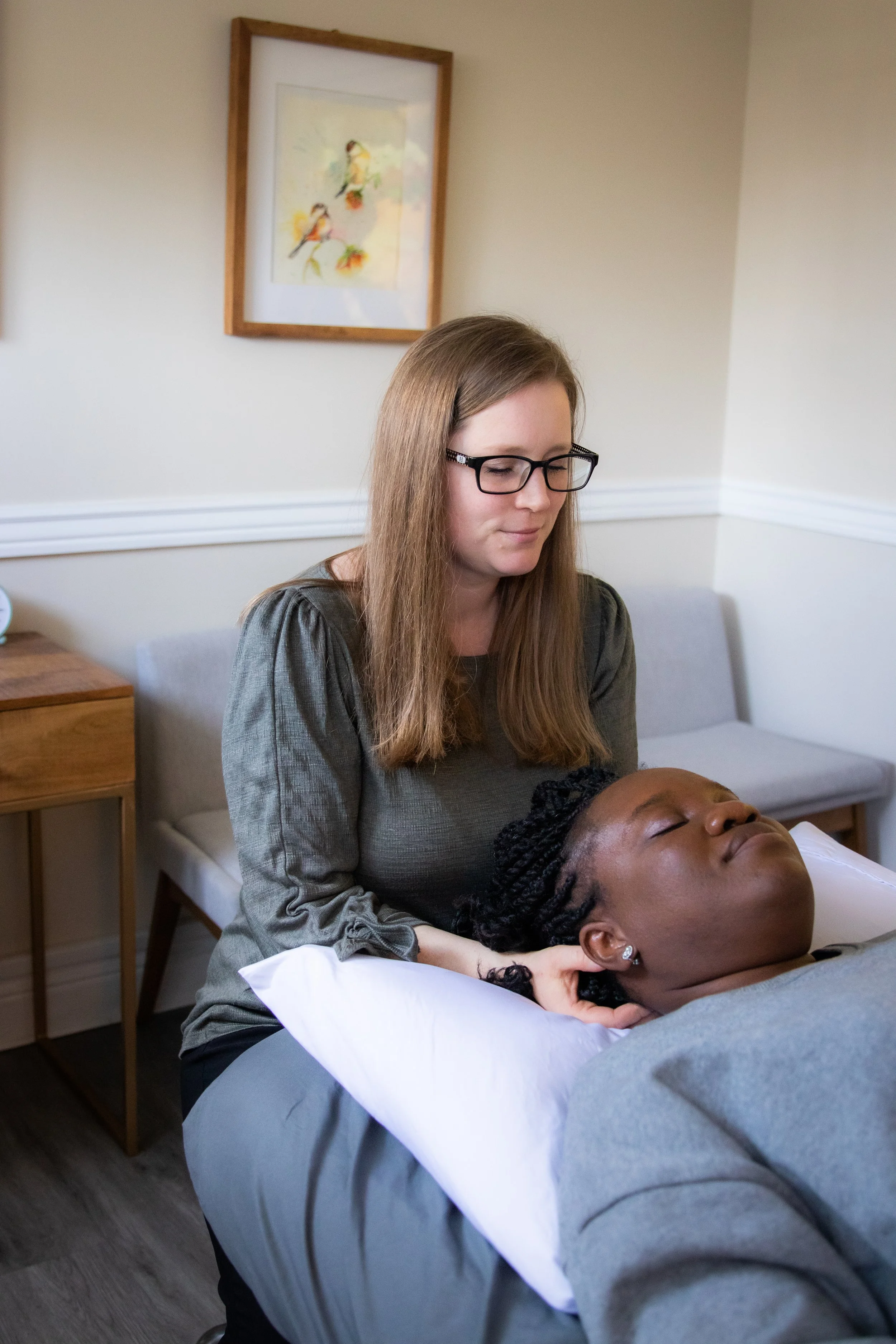
Structural osteopathy explained.
Structural pain often develops when the body is under ongoing strain, creating imbalances that affect how you move and feel. Here’s what to know.
-
Common causes include:
Poor posture or prolonged sitting
Repetitive strain from work or daily activities
Sports injury or physical overuse
Joint restrictions or muscular imbalances
Previous injuries that haven’t fully resolved
-
Common signs that structural imbalances may be affecting your body include:
Ongoing back, neck, or shoulder pain
Joint pain, stiffness or reduced mobility
Muscle tension or recurring tightness
Discomfort with movement or certain positions
Pain that keeps returning without a clear cause
-
Several factors can aggravate existing structural issues or make symptoms worse, including:
Long hours at a desk or poor workstation setup
Heavy lifting or repetitive physical tasks
Sedentary routines or lack of movement
High training loads or exercise strain
Stress, which can increase muscular tension
-
Structural osteopathy uses hands-on treatment to improve mobility, reduce tension, and support the musculoskeletal system.
Depending on your needs, treatment may include musculoskeletal techniques, cranial osteopathy, soft tissue massage, and joint articulation to help reduce strain and support longer-term improvement.


Let’s restore better movement and lasting comfort.
We’ve supported people from all walks of life through structural osteopathy, from those dealing with persistent postural strain at work to active individuals wanting to recover well and move with more confidence.
From the start, we focus on the bigger picture, not just where the pain shows up. Your osteopathic manual therapist tailors treatment to support pain management and long-term improvement.
Our goal is simple: to help you move more comfortably, feel stronger in your body, and return to the things you enjoy without pain or restriction getting in the way. Book your session today and take the next step towards better musculoskeletal health.
Structural Osteopathy FAQ
-
Your osteopathic manual therapist will review your health history, assess your posture, movement patterns, and symptoms, and carry out a hands-on biomechanical evaluation. From there, a personalised structural osteopathy treatment plan is created to address your specific imbalances and goals.
-
The number of sessions varies depending on your condition, how long you've had it, and your treatment goals. Many patients notice meaningful improvements within one to three sessions. Your practitioner will recommend a plan focused on long-term structural correction and prevention.
-
Yes. Structural osteopathy can be safely adapted for children, adults, older patients, and pregnant women. Techniques are always modified to suit each individual's body, health status, and comfort level, making it an accessible option for a wide range of people.
-
Structural osteopathy is generally gentle and well-tolerated. Some patients experience mild soreness in the treated area for a day or two after a session, which can occur as your muscles and connective tissue respond to treatment. Your practitioner will always work within your comfort level and adjust techniques as needed.
-
Absolutely. Poor posture is one of the most common contributors to musculoskeletal pain, and structural osteopathy can help identify and address the underlying imbalances that cause it. Treatment can help relieve tension in the neck, upper back, and shoulders while supporting better alignment over time.
-
No referral is needed. You can book directly with a Nourish Osteo practitioner and get started on your personalised structural osteopathy treatment plan right away. It's that straightforward.